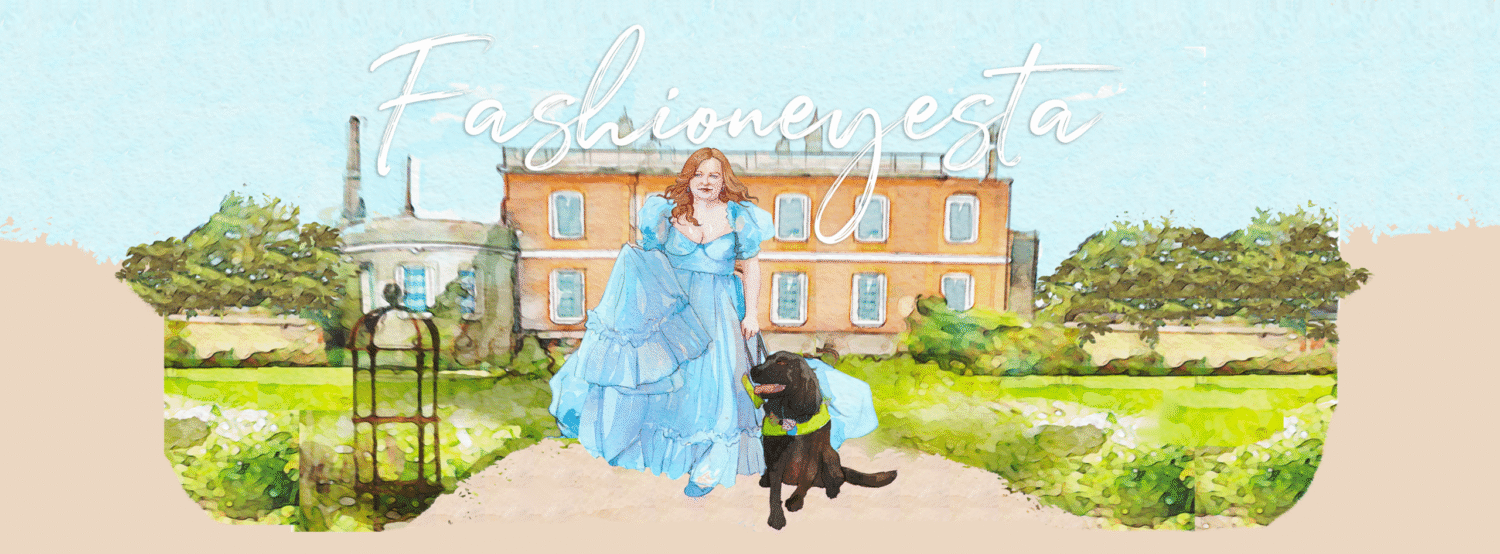
Changing Perceptions on Sight Loss in Style
I have been an accessibility consultant for over a decade working with brands to improve products and websites.
If you are a brand, business owner, provide a service and are looking to find ways to be more accessible and inclusive for people with visual impairments like me – I can help.
I’m Emily Davison, a visually impaired journalist, content creator, disability advocate and accessibility consultant based in South East London.
I have a condition called Septo-Optic Dysplasia and am registered severely sight impaired. I am blind in my right eye and have limited central vision in my left eye. I navigate the world with the support of my guide dog, Rosie.

Through both my lived and professional experience, I understand how inaccessible products, websites, services and environments can affect a disabled person’s confidence, independence and ability to participate.
I provide accessibility consultancy informed by both professional experience and lived experience as a severely sight-impaired person. I work with brands and organisations to help make products, digital platforms, services and customer experiences more accessible and inclusive for blind and visually impaired people.
My consultancy can support you at different stages of a project, from reviewing an early idea or prototype to testing a finished product, website, app or service. I offer practical, constructive feedback tailored to your brand, audience and goals.
I have particularly worked on beauty accessibility consultancy with makeup, skincare and other beauty brands, helping them make their products and brands more accessible for visually impaired and blind people.
Beauty should be enjoyable and accessible to everyone. However, packaging, shade identification, product instructions, websites and application methods can all create barriers for people with sight loss. I can help beauty brands identify these barriers and recommend practical improvements. For practical examples, read my article on how fashion and beauty brands can be more accessible.
This can include reviewing:
My feedback combines lived experience with more than a decade of consultancy work, helping brands understand not only whether something is technically usable, but also how it feels to use as a disabled customer.
Accessibility is like opening a door to someone with a disability.
Whether it is being able to browse a website, enjoy a leisure activity with friends or get out and about independently, every disabled person deserves that opportunity.
Being severely sight impaired and a guide dog owner, I know the emotional impact that inaccessibility can have. It can make you feel invalidated, unimportant and unheard, and no disabled person should feel that way.


But accessibility is also about putting your best foot forward and making sure your business, product, brand or service is open and available to as many people as possible, including disabled people.
Inclusive design can improve the customer experience for everyone. Clear information, intuitive navigation, easy-to-use packaging and flexible services do not only help disabled customers; they can make a product or service simpler and more enjoyable for a much wider audience.
The spending power of disabled people and their households is often known as the Purple Pound.
There are an estimated 16 million disabled people in the UK, while the combined spending power of households containing at least one disabled person is worth approximately £274 billion per year to the UK economy.
These figures demonstrate that disabled customers are not a small or niche audience.
When businesses overlook accessibility, they can exclude potential customers, limit choice for disabled people and miss valuable commercial opportunities.
Making accessibility part of your organisation from the beginning can help you reach a wider audience, build trust and create lasting customer loyalty.
I began accessibility consultancy in 2013 and have worked on a number of projects, from website testing to helping develop new products and services.
My specific niche is fashion and beauty; however, I have also worked across areas ranging from travel and hospitality to food and drink.
Having a visual impairment myself, I know from personal experience how important it is to find a brand that is accessible, inclusive and actively works to ensure the best possible experience for its disabled customers.
My approach is collaborative, honest and solutions-focused. I use my lived experience and knowledge of other visually impaired people’s needs to identify barriers, explain how they affect blind and visually impaired customers, and suggest realistic changes that suit the scope of your project.

I can offer a range of services and support to help make your brand more accessible and inclusive for people, like me, who live with sight loss.
Every project is different, so support can be tailored to your organisation, timescale and goals.
This could be a focused review of one product or webpage, an ongoing consultancy relationship, or a talk designed to help your team understand visual impairment and inclusive customer experiences.
I work with businesses, brands, agencies, charities and organisations that want to improve accessibility in a meaningful and practical way.
This includes organisations working in:
Whether you are developing something new or want to understand the barriers within an existing customer journey, I can provide clear feedback grounded in lived experience.
An accessibility consultant helps an organisation identify barriers within its products, services or customer experience and recommends ways to make them more inclusive.
My specialist perspective focusses on the experiences of blind and visually impaired people, particularly within beauty and fashion.
Yes. I can review concepts, prototypes and pre-launch products, as well as existing products and services.
Involving disabled people early in the development process can help you identify barriers before they become more difficult or costly to change.
No. Beauty and fashion are my specialist areas, but I have also worked on projects across travel, hospitality, food and drink, websites, apps and customer services.
Yes. I can tailor my feedback and support to the size, stage and aims of your project, from a one-to-one session or focused review to longer-term consultancy.
To find out more, including information about fees and how to book an accessibility consultancy session with me, please email me.
Alternatively, you can use my contact form to tell me a little about your brand, project, timescale and the support you are looking for.
I would love to hear from you and discuss how we can work together to create a more accessible and inclusive experience for your customers.

Fashioneyesta
Follow along for fashion, travel, beauty, accessibility and lifestyle updates.