Friends of Lush
Referral link associated with a free Celebrate Bath Bomb offer.
Visit Friends of Lush
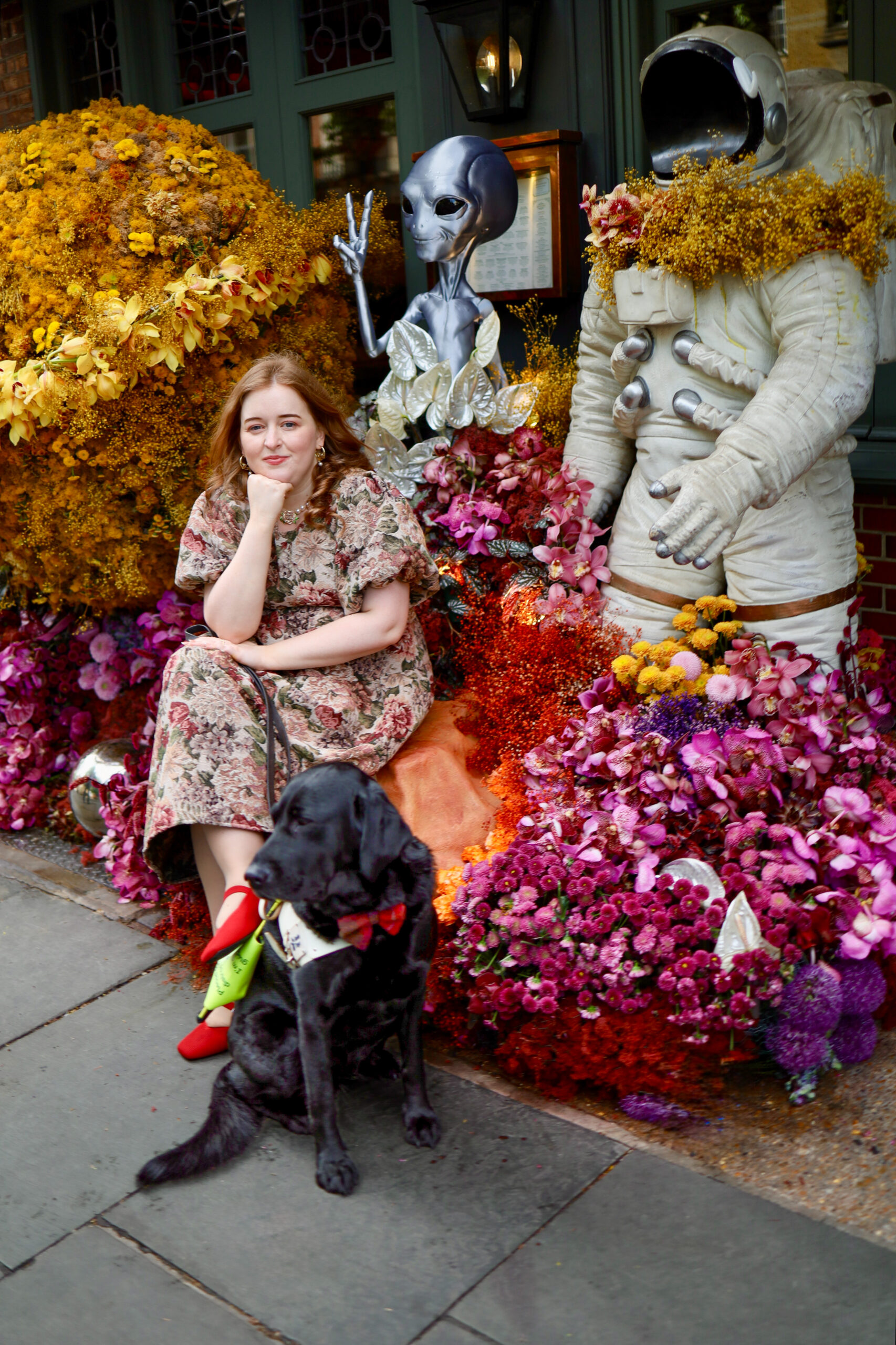
From discounted tickets to money off specialist equipment, here are ten things you might be entitled to as a disabled person in the UK.
It’s no mystery that being disabled costs money – and often a lot of it.
In fact, according to research by disability charity Scope, disabled households need an average of £1,095 extra per month to achieve the same standard of living as non-disabled households.
However, in the UK, there are a number of schemes that disabled people can apply for to help save money, whether that’s getting around, shopping or doing more of the things you enjoy.
As a fellow disabled person, I’m going to share some of the top discounts, concessions and schemes you could be entitled to and how they can help you save money.
What You Need to Know
A number of things on this list require proof of disability, such as a Certificate of Visual Impairment (CVI), proof of Disability Living Allowance (DLA) or Personal Independence Payment (PIP), or an official letter from a consultant or doctor.
However, it’s important to remember that you don’t always have to be receiving disability benefits to qualify. Some schemes accept alternative medical documentation or assess your access requirements individually.
So it’s worth doing your research, finding out what evidence you need and getting the relevant documentation together before applying.
Some of these schemes are completely free, while others have a small application or membership fee. Eligibility can also vary depending on where you live in the UK.

Here’s what you need to know.
A Nimbus Access Card is essentially a disability identity card, which I have also used abroad in countries like Denmark, Austria and France to help communicate my access requirements.
The card can be used to help access free or discounted essential companion tickets at participating theatres, entertainment venues, theme parks and other attractions. It can also clearly signify what you might need to make your experience accessible.
This works by having little symbols on the card, such as a guide dog symbol or a +1 symbol to show that you require an essential companion.
Because the symbols are easy to understand, I’ve found the card particularly useful when travelling abroad, although acceptance does depend on the individual venue or organisation.
Rather than repeatedly providing disability documentation, cardholders can use their card to communicate their access needs.
It’s worth mentioning that having the card doesn’t automatically guarantee free tickets or discounts, as each venue has its own accessibility policies.
How to Apply
Disabled people can apply through the Nimbus Access Card website by submitting information and evidence about their access requirements.
The good thing about this is that you don’t need to be receiving disability benefits to apply. You can provide medical letters, occupational therapy assessments, care plans or other suitable documentation.
There is a £15 charge, with cards lasting for three years.
Your application is then assessed by Nimbus and, once approved, you’ll receive a physical card which can be used in person and, in some cases, online when linked to an account with a participating theatre or entertainment venue.
Some venues also offer a free Digital Access Pass, which works with that particular venue or organisation instead of requiring you to purchase a physical card.
Find out more: Nimbus Access Card


If you’re a disabled person living in London, you might be entitled to a Disabled Person’s Freedom Pass, which allows you to travel for free on much of London’s public transport network.
This is one of the most useful money-saving schemes for disabled Londoners, particularly if you regularly use public transport to get to work, attend appointments or enjoy days out.
The pass can be used on London buses, the Underground, London Overground, the Elizabeth line, DLR and trams.
Unlike the Older Person’s Freedom Pass, disabled pass holders can use Transport for London services at any time of day, including weekday mornings.
You can also use the pass on most National Rail services within the Greater London boundary after 9.30am on weekdays and at any time during weekends and bank holidays.
Another useful benefit is that you can use it for free travel on most local bus services elsewhere in England, subject to the usual concessionary travel times.
Who Can Get One?
To qualify, you must live in one of London’s 32 boroughs or the City of London.
You may be eligible if you’re registered blind or partially sighted, have severe hearing impairments, significant long-term walking difficulties or certain learning disabilities.
There are also other qualifying categories, including people who cannot obtain a driving licence for specified medical reasons.
Some London boroughs offer discretionary passes to people who don’t meet the standard eligibility requirements.
How to Apply
You can apply through your local London council using the Freedom Pass website.
You’ll usually need to provide proof of your London address alongside evidence of your disability or qualifying medical condition.
Your local council will assess your application and, if approved, you’ll receive your pass.
The Disabled Person’s Freedom Pass is completely free for eligible applicants.
Find out more: Freedom Pass
If you have a disability that affects your mobility or your ability to travel safely, you might be entitled to a Blue Badge.
The Blue Badge scheme allows eligible disabled people to park closer to their destination, making it easier to get around and potentially saving money on parking charges.
It can allow you to use designated disabled parking bays, park for free in certain on-street pay-and-display spaces and park on single or double yellow lines for up to three hours in many places, provided there are no loading restrictions.
However, parking rules can vary, particularly in central London, private car parks and certain council-controlled areas.
One thing that’s worth knowing is that you don’t need to drive or own a car to have a Blue Badge.
The badge can be used when you’re travelling as a passenger, provided the journey is for your benefit.
Who Can Get One?
People who are registered blind or receive certain qualifying mobility benefits may automatically qualify for a Blue Badge.
This includes people receiving the higher-rate mobility component of DLA or qualifying scores under the mobility component of PIP.
You might also be eligible if you experience significant walking difficulties or have a non-visible disability that makes journeys particularly difficult or unsafe.
Not everyone qualifies automatically, but you can still apply and have your circumstances assessed by your local council.
How to Apply
You can apply for a Blue Badge through the GOV.UK website.
You’ll need to provide proof of identity and address, a photograph and supporting evidence of your disability or qualifying benefits.
Your local council will assess your application.
Blue Badges usually last for up to three years and cost up to £10 in England, £20 in Scotland and are free in Wales. Northern Ireland has a separate application process.
Find out more: Apply for a Blue Badge
If you enjoy travelling around the UK, whether that’s visiting friends, going on holiday or exploring somewhere new, a Disabled Persons Railcard could help you save a considerable amount of money.
The Railcard gives eligible disabled people one-third off most train fares across Great Britain.

But one of the best things about it is that the discount isn’t just for you.
If you’re travelling with another adult, they can also receive one-third off their qualifying train ticket when travelling with you.
This can be particularly useful if you need someone to accompany you when travelling.
Unlike some other Railcards, there aren’t the usual peak-time restrictions on when you can use it, although the discount doesn’t apply to every ticket type.
Who Can Get One?
You might be eligible if you receive PIP, DLA or certain other disability benefits.
You can also qualify through other forms of evidence, including having a Blue Badge, a Disabled Person’s Freedom Pass or proof of a qualifying visual impairment.
From September this year, the scheme was expanded to include more people with long-term health conditions and neurodivergence where their condition significantly affects their ability to use rail services.
Under the expanded criteria, some people can apply using a report from a healthcare professional explaining how their condition affects their ability to travel by train.
How to Apply
You can apply online through the Disabled Persons Railcard website.
You’ll need to select the evidence that makes you eligible and upload the relevant documentation.
The Railcard costs £20 for one year or £54 for three years.
You can choose between a digital Railcard that you can keep on your phone or a physical card.
Find out more: Disabled Persons Railcard
If you’re planning a trip, I’ve also shared some of my top tips for travelling when you have a disability.
Getting around isn’t always straightforward when you have a disability, particularly if you struggle to use public transport.
However, if you live in London, there are two schemes that could help make travelling easier and more affordable.
London Taxicard Scheme
The London Taxicard scheme provides subsidised taxi and private hire journeys for eligible people who have serious mobility difficulties or visual impairments that make using public transport difficult.
This means you can book an eligible taxi journey and receive a subsidy towards the cost of the fare.
Under the current fare structure, the subsidy can be up to £11.65 per journey, with passengers paying a minimum of £4.40.
The amount you pay will depend on the distance travelled and the type of vehicle.
There are also limits on how many subsidised journeys you can take, which vary depending on your London borough.
You might automatically qualify if you’re registered severely sight impaired (blind), receive the higher-rate mobility component of DLA or have at least eight points under the moving around activity of PIP.
Other people can apply with medical evidence and may need to undergo an assessment.
How to Apply
You can apply through the London Taxicard website, where you’ll need to enter your postcode to find the application process for your borough.
You’ll usually need to provide evidence of your disability and how it affects your ability to use public transport.
Once approved, you can book journeys through the Taxicard service.
Find out more: London Taxicard
London Dial-a-Ride
Another scheme worth knowing about is London Dial-a-Ride.
This is a free, accessible, door-to-door transport service provided by Transport for London for people who cannot use conventional public transport some or all of the time.
It can be used for local journeys such as shopping, visiting friends and enjoying leisure activities.
The service uses accessible vehicles, including minibuses suitable for wheelchair users.
However, it’s important to know that the service needs to be booked in advance and journeys aren’t always guaranteed, particularly during busy periods.
It also cannot be used for certain journeys, including hospital appointments, where other transport arrangements may be available.
How to Apply
To qualify, you generally need to have a permanent or long-term disability that makes using mainstream public transport difficult.
Certain people, including Taxicard members and people receiving qualifying mobility benefits, may be automatically eligible.
You can apply through Transport for London by completing a membership application and providing evidence of your disability.
Once approved, you can book your journeys using the Dial-a-Ride app, online portal or telephone service.
Find out more: TfL Dial-a-Ride
One of the biggest expenses when enjoying days out as a disabled person can be having to pay for someone to accompany you.
See more fashion, travel, beauty and accessible lifestyle content on Instagram.
Follow @fashioneyesta2012However, many attractions across the UK offer free essential companion tickets for disabled visitors who require assistance during their visit.
Eligibility and discounts vary depending on the attraction, but you can usually apply by providing proof of disability, such as a Nimbus Access Card, PIP or DLA documentation, or other medical evidence.
Here are some examples of discounts available:
How to apply: Visit the attraction’s website and check its accessibility section for information about companion tickets, accepted documentation and how to book.
If you’re someone who enjoys going to the theatre, you’ll be pleased to know that many theatres across the UK offer discounted tickets and access schemes for disabled people.
These can include discounted admission, free or reduced-price essential companion tickets and accessible performances, such as audio-described, captioned and relaxed performances.
Discounts vary depending on the theatre and production, but it’s always worth joining a venue’s free access scheme before booking.
Here are some examples:
How to apply: Visit the theatre’s website and register for its access scheme, where available. You may need to provide disability documentation or a Nimbus Access Card to verify your eligibility. Once registered, you can usually book accessible tickets online or through the theatre’s access team.
Another scheme worth knowing about is Purpl, a UK discount platform specifically designed to help disabled people and those living with long-term health conditions save money.
Purpl offers a range of discounts from participating retailers and businesses, including money off shopping, beauty products, fashion, technology, travel and everyday essentials.
The platform works by allowing verified members to access exclusive discount codes and offers.
So, whether you’re buying something for your home, treating yourself to a new outfit or booking a holiday, it could be worth checking whether Purpl has an offer available.
Who Can Join?
Purpl is available to people with disabilities or long-term health conditions who meet its eligibility requirements.
You don’t necessarily have to be receiving disability benefits to qualify.
Accepted evidence can include disability benefit letters, a Blue Badge, a Disabled Persons Railcard, an Access Card or other qualifying medical documentation.
Parents and carers can also register on behalf of an eligible disabled person.
How to Apply
You can sign up through the Purpl website by creating an account and submitting evidence of your disability or long-term health condition.
Once your details have been verified, you can choose a membership plan.
Membership currently costs £12 per year or £2 per month, depending on which option you choose.
After signing up, you’ll be able to access the available offers and redeem discount codes through participating retailers.
Purpl also operates a Community Grant Fund for eligible members, subject to the fund’s application conditions.
Find out more: Purpl Disability Discounts
I’ve recently joined the Purpl Creator Community, which means I can offer my readers an exclusive 14-day free trial of Purpl membership.
This gives you the chance to explore discounts on fashion, beauty, travel, everyday essentials and more before committing to a paid membership.
Simply use my exclusive code FASHIONEYESTA2012 or sign up using the link below to claim your free trial.
Disclosure: I’m a member of the Purpl Creator Community. Subscription terms and eligibility requirements apply.
Living with a disability can often mean needing specialist equipment, assistive technology or adaptations to your home.
However, these things can be expensive, particularly if you’re having to fund them yourself.
The good news is that there are grants and financial assistance schemes available to help disabled people access equipment and adaptations.
Some are provided through local authorities, while others are offered by charities and organisations.
Help from Your Local Council
If you need specialist equipment or adaptations to make everyday life easier, you may be able to receive assistance from your local council.
This could include equipment to help with mobility, washing, getting around your home or carrying out everyday activities.
Depending on your circumstances, some equipment and smaller adaptations may be provided free of charge following an assessment of your needs.
You can contact your council’s adult social care team and request an assessment to find out what support might be available.
Disabled Facilities Grants
If you need larger adaptations to your home, such as a stairlift, accessible bathroom, ramp or widened doorways, you might qualify for a Disabled Facilities Grant.
These grants can help cover the cost of making your home more accessible.
In England, eligible applicants can receive grants of up to £30,000, while the maximum in Wales is £36,000 and in Northern Ireland is £25,000.
Scotland has different arrangements for funding home adaptations.
The amount awarded will depend on your circumstances, the work needed and any financial assessment that applies.
You’ll usually need to contact your local council and arrange an assessment before applying.
It’s important not to start adaptation work before obtaining approval, as this could affect your eligibility for funding.
Find out more: Disabled Facilities Grants
Grants from Charities
There are also charities that provide financial assistance to disabled people and their families.
For example, Family Fund offers grants to eligible families raising disabled or seriously ill children. These can help with things such as sensory equipment, household essentials, clothing and family activities.
As of October 2026, its main England programme is only accepting first-time applicants until the end of March 2027.
Another useful website is Turn2us, which has a grants search tool to help you find charitable funding based on your circumstances.
Some grants are means-tested, while others have specific disability or financial eligibility requirements.
How to Apply
Start by identifying what equipment or support you need and whether your local council can provide assistance.
You may need an occupational therapy assessment, medical evidence or financial information.
If you’re applying for a charitable grant, check the organisation’s eligibility requirements and whether it accepts applications directly or requires a professional referral.
Remember that charitable grants are not guaranteed, and you should generally obtain approval before purchasing equipment.
Useful links:
Finally, one of the things that many disabled people might not realise they’re entitled to is VAT relief on certain disability-related equipment.
If you need specialist products to help with your disability, you may be able to purchase them without paying VAT.
This can make a considerable difference, particularly when purchasing expensive equipment.
For example, qualifying items can include wheelchairs, mobility scooters, certain specialist beds, stairlifts, low-vision aids, Braille products and other disability-specific equipment.
Certain adaptations, repairs and maintenance services may also qualify for VAT relief.
However, it’s important to remember that not every product purchased by a disabled person is VAT-free.
The item must meet HMRC’s qualifying criteria. General everyday products aren’t automatically eligible simply because they help someone with a disability.
Who Can Qualify?
You may qualify if you have a physical or mental impairment that has a substantial, long-term effect on everyday activities, or a qualifying chronic illness.
The equipment must also be eligible for VAT relief and purchased for your own personal or domestic use.
The good news is that you don’t need to be receiving disability benefits or be formally registered as disabled to qualify.
How to Apply
Unlike some of the other schemes on this list, you don’t usually need to make a separate application to HMRC.
Instead, when purchasing eligible disability equipment, you can ask the retailer whether it qualifies for VAT relief.
You’ll usually be asked to complete a declaration confirming that you’re eligible and that the equipment is for your personal use.
The retailer will then apply the VAT relief directly to your purchase.
If you’ve already paid VAT on something that should have qualified, you can contact the retailer to ask about a refund.
Find out more: HMRC VAT Relief for Disabled People
Being disabled can come with a lot of additional expenses, but there are also some useful schemes and concessions available that can help make everyday life a little more affordable.
Whether that’s saving money on train fares, enjoying free companion tickets at attractions or receiving help towards specialist equipment, it’s worth knowing what you might be entitled to.
And remember, not every scheme requires you to be receiving disability benefits. In many cases, alternative documentation can help you qualify.
My advice would be to keep a record of your disability documentation, research the schemes available in your area and always check whether a venue or organisation offers disability concessions before making a booking.
After all, there’s no harm in asking whether you could be entitled to a discount.
I hope you’ve found this guide useful, and if you know of any other disability discounts or money-saving schemes, I’d love to hear about them in the comments.
You can also explore more of my articles about living with a disability and accessible travel here on Fashioneyesta.

Fashioneyesta
Follow along for fashion, travel, beauty, accessibility and lifestyle updates.